Aircraft for Training and Rental
We provide the airplanes – you choose the instructor. Our two Piper Archer IIs are available for flight training from Private Pilot through CFI/CFII, and for timebuilding once you're certificated.
What It Is
Rocky Mountain Pilots doesn't provide primary flight instruction directly. Instead, we make our two Piper Archer IIs – N6236J and N2112K – available for flight training and rental. You choose your instructor from our list of approved, independent CFIs, and they work with you directly on your training plan, schedule, and goals.
This model gives you the flexibility to pick an instructor whose teaching style and availability fit you, while still training in well-maintained, reliable aircraft. Already have your own instructor? We're happy to work with them directly to get you scheduled.
Who It's For
- Student pilots working with an independent CFI on their Private Pilot Certificate
- Instrument, Commercial, CFI, and CFII candidates who need an aircraft
- Certificated pilots (Private and above) building flight hours
- Pilots who already have an instructor and just need aircraft access
What the Aircraft Are Used For
- Private Pilot instruction
- Instrument Rating training
- Commercial Pilot training
- CFI and CFII training
- Timebuilding for Private Pilots and above
How It Works
- Choose an instructor from our list of approved, independent CFIs (contact us for the current list)
- Your instructor works with you directly on your training plan and schedule
- We handle aircraft scheduling and maintenance
- A checkout flight is required before solo or rental use
Available Aircraft
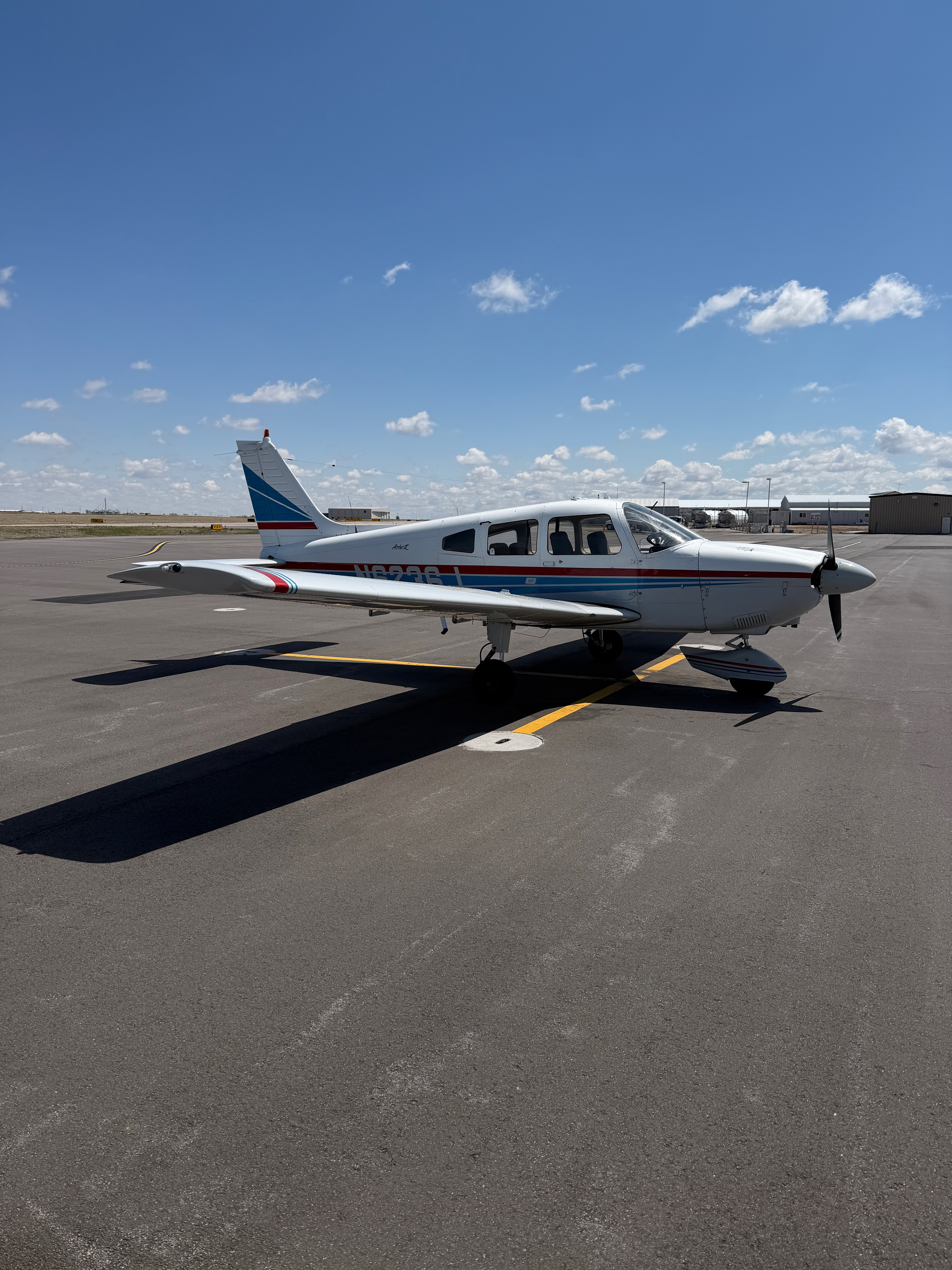
Piper Archer II – N6236J
Stable, well-equipped, and reliable – a proven platform for training and timebuilding.
Piper Archer II – N2112K
Identical in equipment and role to N6236J – extra availability for scheduling flexibility.
How to Get Started
The Archers rent for a flat $140/hour, wet – an all-inclusive rate for the aircraft, regardless of whether you're flying Private, Instrument, Commercial, CFI/CFII training, or just building hours. Instructor fees are separate and arranged directly between you and your instructor.
Contact us to check aircraft availability and get our current list of approved instructors. If you already have an instructor, we're happy to work with them directly to get you scheduled.
Contact Us